Embracing Permaculture Guatemala: The Influence & Impact
Welcome to Guatemala! A country rich with culture, history, and incredible landscapes.
Over the past couple of decades, a powerful movement has been growing across the country. It’s bringing together traditional knowledge and innovative practices to address environmental challenges. Permaculture is transforming the way modern Guatemalans cultivate their land, restore ecosystems, and honor their Mayan heritage.
Join us on this journey of discovery as we explore the basics of permaculture and its rise in the Land of the Eternal Spring, as well as the significance of these practices within the context of Mayan culture.
Permaculture Guatemala
Permaculture, short for "permanent agriculture," is a holistic approach to designing and managing sustainable systems. It's inspired by the earth's natural ecosystems and traditional farming practices.
Permaculture seeks to create harmonious relationships between humans, plants, animals, and the environment. Through applying permaculture principles, we can cultivate land while minimizing waste, maximizing productivity, and fostering regenerative practices.
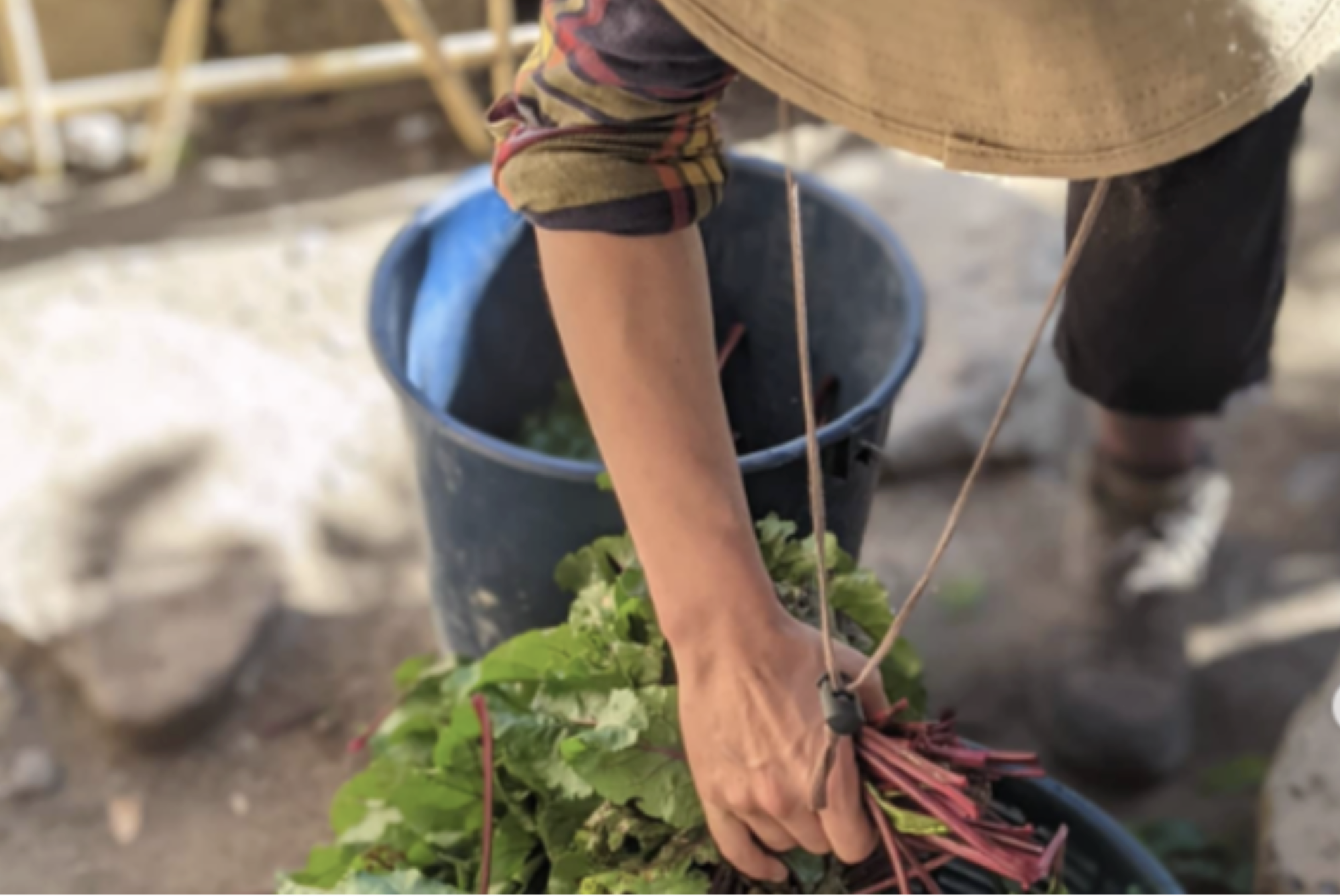
Photo Credit: Granja Tz’ikin
Thriving Practices: Permaculture Guatemala
Guatemala's diverse landscapes, from lush rainforests to Highland farms, provide an ideal setting for permaculture Guatemala to keep thriving. Here are some key practices gaining popularity across the country.
Agroforestry
This practice emulates natural forests through intentionally planting land with diverse combinations of trees, crops, and animals.
The use of agroforestry systems helps to improve soil fertility, while also creating habitats for wildlife and providing multiple crop yields.
A farm that's focused on producing bean to bar chocolate could be planted on land with coconut palms, fruit trees, and ground cover crops, creating a harmonious ecosystem.
Water Harvesting
Water harvesting is the process of capturing and storing water; it's done by using swales, ponds, and rainwater harvesting systems.
This permaculture practice allows for the replenishing of aquifers, which helps to prevent erosion and ensure irrigation during dry seasons. And, luckily, Guatemala is blessed with abundant rainfall.
A farm growing cacao beans might use this technique to help support the growth of their crops, especially when there's little to no rain.
Composting and Vermiculture
The use of composting and vermiculture methods helps transform organic waste into nutrient-rich compost. This compost helps to enhance soil fertility and reduce reliance on synthetic fertilizers. It's a win-win for everyone.
Vermiculture uses earthworms to create compost because they help accelerate the process of turning food scraps and dirt into nutrient-rich soil.
Polyculture and Crop Rotation
Polyculture is the intentional growing of various crops in proximity to each other and rotating them seasonally. These methods help to minimize pests and diseases, improve soil health, and increase overall productivity.
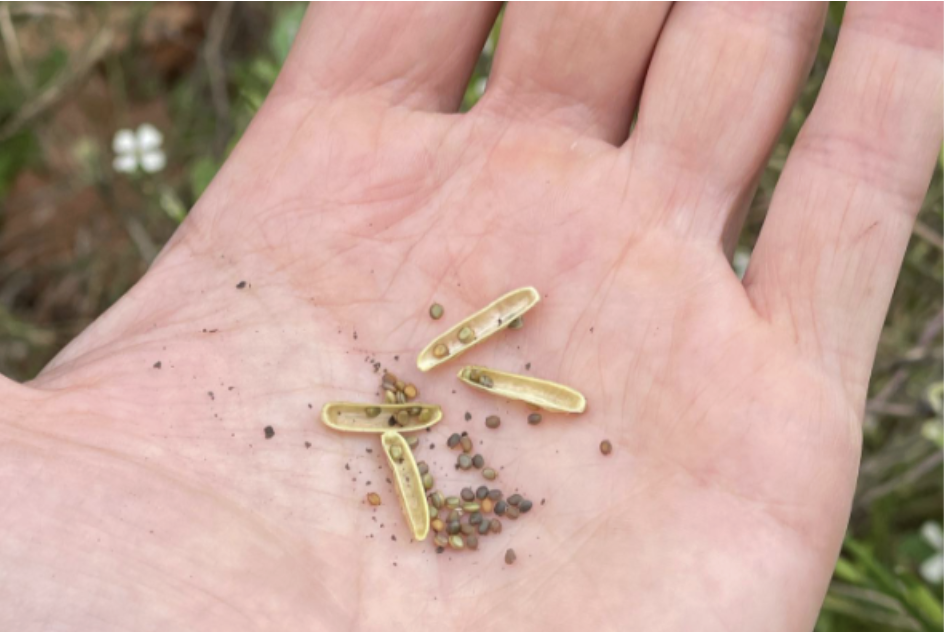
Photo Credit: Granja Tz’ikin
Seed Saving and Seed Banks
The preservation of native plant varieties through seed saving and community seed banks safeguards biodiversity. This practice ensures food sovereignty and preserves traditional knowledge.
Read more like this: 5 Lessons from an Irish Farmer, Entrepreneur, and Guatemala Permaculture Designer
Permaculture Guatemala & Mayan Cultural Heritage: A Harmonious Blend
For Indigenous communities in Guatemala, permaculture goes beyond sustainable farming; it's intricately linked to their cultural heritage and the ancestral wisdom of Guatemala. Here are a few examples of how permaculture practices align with Mayan traditions.
Respect for Nature
Mayan cosmology emphasizes the interconnectedness between humans and the natural world. Permaculture's holistic approach aligns with this worldview by fostering harmony and balance with the environment. If you're looking for sustainable travel opportunities in Guatemala, get in touch; we can help build an itinerary that bridges Mayan cosmology, nature, and education.
Traditional Crop Varieties
Mayan farmers have cultivated native crop varieties for millennia, preserving biodiversity and adapting to local conditions. Native crops include corn, avocado, pumpkin, cassava, cacao beans, and more.
The practice of permaculture supports the preservation and revitalization of these crops, ensuring cultural continuity and food security.
Spiritual Connection
Mayan spirituality often centers around reverence for nature and agricultural cycles. Permaculture Guatemala practices, with their focus on observing and working in harmony with natural processes, strengthen this spiritual connection to the land.
There is truly so much to see and do in this country, whether you're planning a Guatemala backpacking trip, a relaxing getaway, or something in between. Your trip can combine education, culture, history, and spirituality. Even a simple coffee tour can be a meaningful experience!
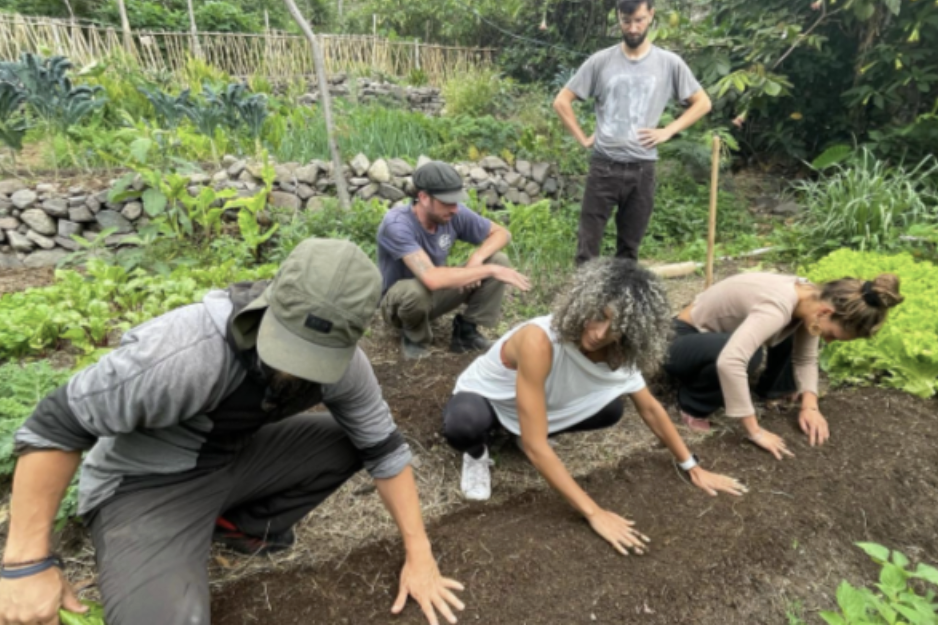
Photo Credit: Granja Tz’ikin
Community Cooperation
Mayan culture places great value on communal work and mutual support. Permaculture principles, like sharing surplus yields, creating community seed banks, and organizing work exchanges, all align with this cooperative spirit.
As permaculture gains momentum across Guatemala, it offers a powerful tool for sustainable development, ecological restoration, and cultural preservation.
By blending traditional Mayan wisdom with innovative practices, Guatemalans are nurturing their land, reducing their environmental impact, and safeguarding their cultural heritage.
Sustainable Travel Opportunities
Additionally, permaculture is opening doors for sustainable travel. Building itineraries featuring permaculture is perfect for school trips and educational workshops. Semi-structured programs are great for solo travel for women, since there's already a welcoming community to step into.
Worktrade opportunities can also be a great way to learn new skills in exchange for free or discounted accommodations. This might be perfect for nature lovers, budget travelers, and Guatemala backpacking trips.
For more information and inspiration about all things related to sustainable travel in Guatemala, be sure to check out our website. You can also join our newsletter for a monthly dose of goodness.
Naturally Smart Travel connects visitors with local communities while embracing cultural heritage and a sense of adventure. Together, we can make a difference for our planet and future generations.
Sources:
Photo credit and inspiration from our friends at Granja Tz’ikin.
FAQs:
Is Guatemala Safe for Tourists?
Generally speaking, Guatemala is safe to travel through, especially in the touristy areas like Antigua, Lake Atitlán, and Tikal. It's important to always remain mindful of your belongings and surroundings, as petty theft, like pickpocketing, may occur.
Even if you're planning a budget Guatemala backpacking excursion, hiring a local guide can enhance your overall experience, safety, and confidence.
The same rules apply for everyone, including solo travel for women: take standard precautions, exercise caution on public transportation, and opt for licensed taxis or ridesharing services like Uber. Avoid walking alone at night, keep valuables secure, and stay informed about local news.
Does Guatemala Have Any Endangered Species?
Guatemala is home to several endangered species, including the Guatemalan black howler monkey, scarlet macaw, and Central American tapir.
There are conservation initiatives aiming to safeguard endangered species and wildlife reserves, in addition to habitat restoration projects. Various government agencies, NGOs, and local communities are working toward protecting Guatemala’s biodiversity and ensuring the survival of endangered wildlife.
What Are the Main Tourist Attractions in Guatemala?
Guatemala offers a plethora of outdoor activities and natural wonders to explore.
This includes the ancient Mayan ruins of Tikal, hiking active volcanoes, and natural wonders like cloud forests and Semuc Champey. The picturesque villages of Lake Atitlán offer kayaking, swimming, and adventuring!
Guatemalan coffee is some of the best, so why not add a coffee tour to your itinerary? Take workshops like weaving or learning how to make bean to bar chocolate. Roast some cacao beans, tour the farm, and eat some sweet treats.
What Specific Health Precautions or Vaccinations Are Recommended Before Traveling to Guatemala?
Before traveling to Guatemala, it’s recommended to be up-to-date on routine vaccinations, including measles, mumps, rubella (MMR), and influenza.
If you plan on visiting rural areas or doing outdoor volunteer work in Guatemala, consider vaccines for Hepatitis A and Typhoid. However, it’s wise to consult with a healthcare provider for personalized recommendations based on your individual health status and travel itinerary.
Use insect repellent in areas prone to mosquitoes, as illnesses like Dengue and Zika are present.
Don’t drink the tap water; opt for bottled and filtered water instead. Packing activated charcoal is wise in case of food-related illnesses.
For further information, check the CDC website for their recommendations.
Are There Seasonal Activities or Experiences Unique to Certain Times of the Year in Guatemala?
Yes, Guatemala has unique seasonal experiences throughout the year.
In April, Semana Santa (Holy Week) leads up to Easter and has vibrant processions with elaborate street carpets that adorn cities like Antigua Guatemala.
The spectacular Kite Festival is in November in Santiago Sacatepéquez. December is full of festive Christmas markets and celebrations all across the country.