Understanding the History of NGOs in Guatemala: A Complex Landscape
Non-Governmental Organizations, NGOs for short, have played a significant role in Guatemala's social and development sectors for decades. These organizations have brought positive impacts and challenges to the country.
NGOs in Guatemala have contributed to its progress while raising questions about sustainability and local empowerment. To fully grasp the nuances of NGOs in Guatemala, it's essential to explore their history, benefits, challenges, and the ever-evolving concept of voluntourism.
In this Naturally Smart Blog post, we’re exploring this intricate history and complexity of NGOs in Guatemala, encompassing everything from Guatemala culture and carbon credits to the future of sustainable travel and tourism.
Guatemala's NGOs
NGOs in Guatemala emerged during the 20th century, driven by a desire to address social inequalities, promote human rights, and support marginalized communities.
Many of these organizations have been instrumental in providing essential services, such as healthcare, education, and infrastructure development, particularly in rural areas where government resources are scarce.
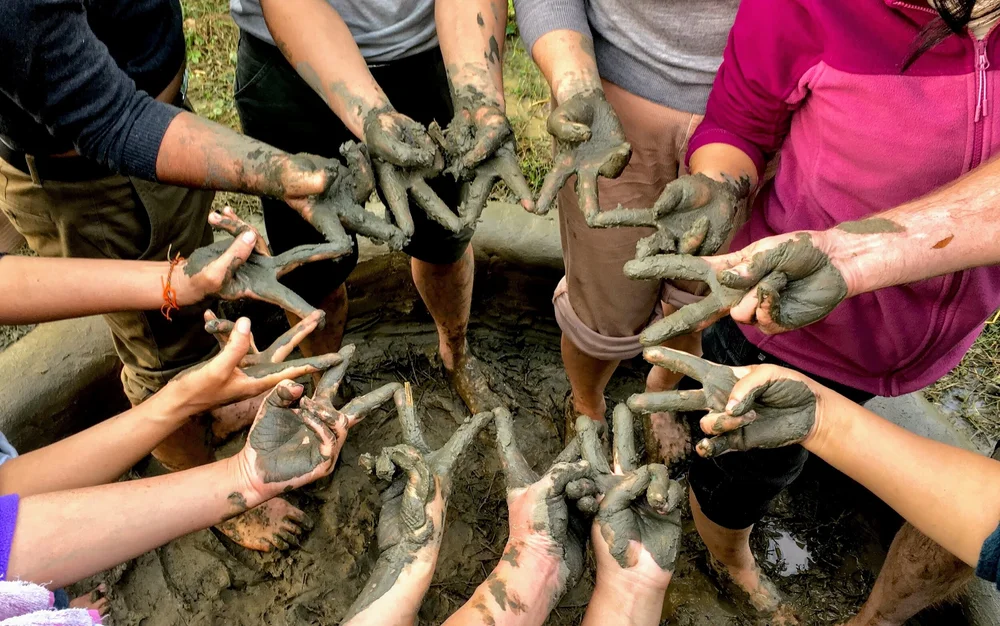
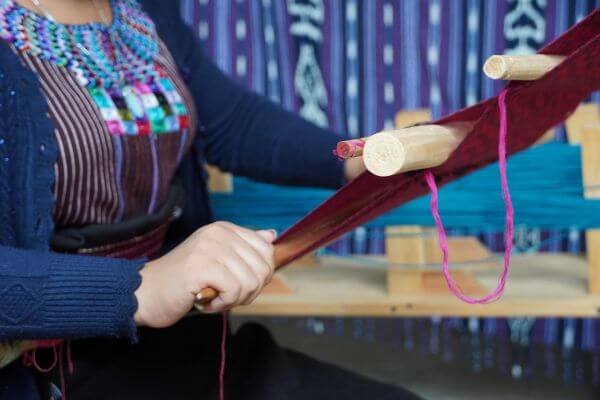
Photo Credit: Naturally Smart Travel
The Positive Aspects of NGOs in Guatemala
The positive contributions of NGOs in the country are undeniable. They've made significant strides in improving access to education, healthcare, and clean water, empowering local communities, and advocating for social justice.
NGOs have also played a crucial role in disaster relief efforts, particularly during natural disasters like hurricanes and earthquakes. Additionally, they've contributed to putting Guatemala on the map of eco-friendly travel destinations with sustainable travel opportunities.
Challenges with NGOs in Guatemala
While the general impact has been positive, through assisting the local community, as well as helping organizations with emission reduction credits and opening the door for more sustainable business travel opportunities, there are downsides. These cons include challenges and concerns associated with NGOs; one of the primary concerns is the issue of sustainability.
NGOs have made notable improvements in specific areas, the long-term impact and effectiveness of their interventions can sometimes be questionable. Dependency on external funding and the lack of local ownership can hinder sustainable development. And sometimes a tax break for donations from external contributors can equate to money being put into the wrong hands.
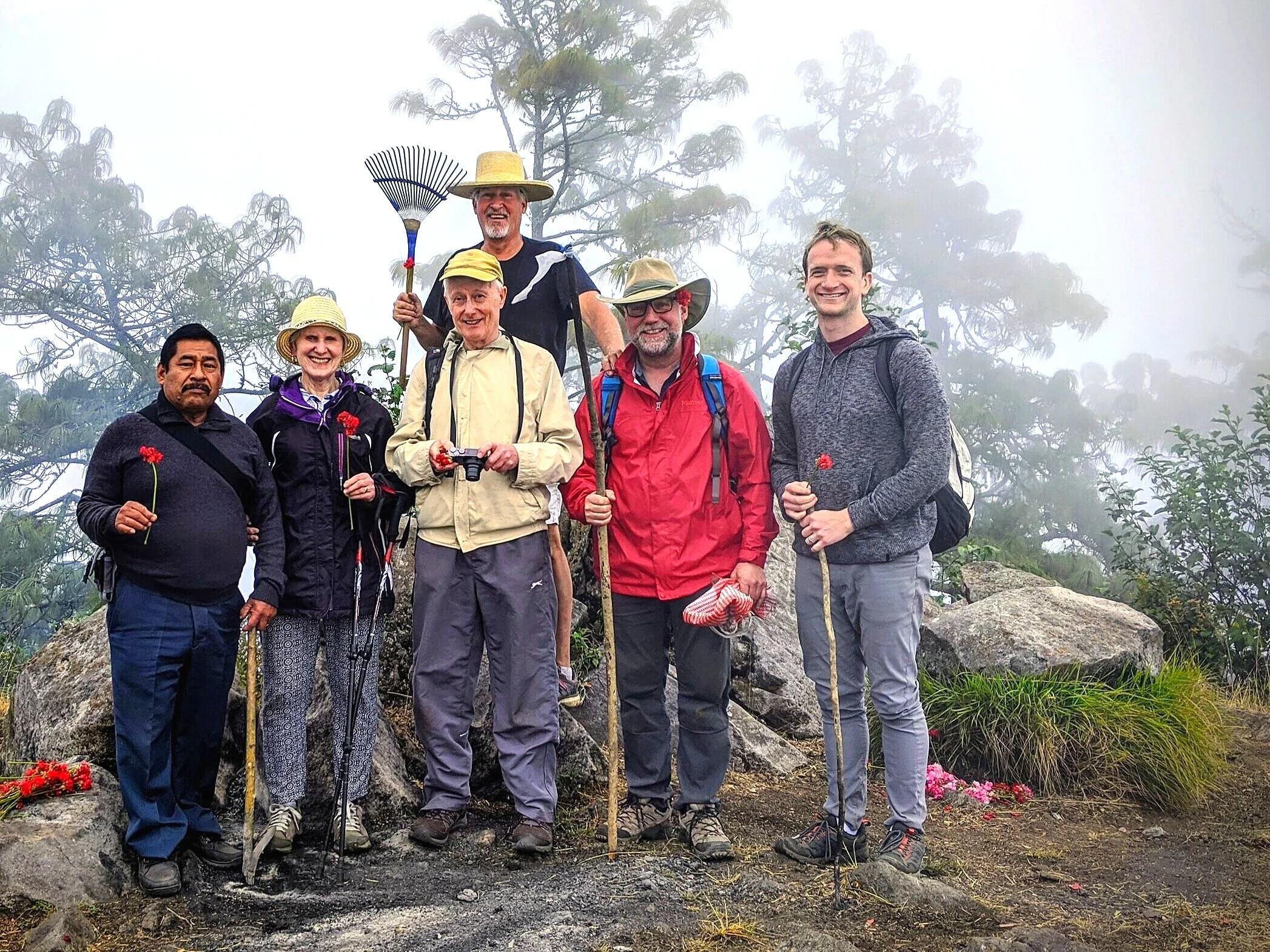
Photo Credit: Naturally Smart Travel
Voluntourism in Guatemala
Voluntourism, a combination of volunteering and tourism, has gained popularity in Guatemala. It allows individuals to contribute their time and skills to local projects while immersing themselves in the country's culture and natural beauty.
Voluntourism can provide valuable support to NGOs, particularly in terms of human resources and financial assistance. It's a way for foreigners to experience sustainable travel and tourism opportunities abroad; however, it's vital to approach voluntourism with caution.
The rapid growth of voluntourism has led to concerns about the exploitation of local communities and Guatemala culture, misaligned projects, and the perpetuation of stereotypes. It's crucial for voluntourists to engage in responsible practices, collaborate with local organizations, and ensure that their contributions align with the actual needs and priorities of the communities they aim to support.
Currently, Guatemala is home to numerous NGOs and non-profit organizations. The exact number is difficult to pinpoint, as new initiatives constantly emerge while others phase out. The revenue generated by NGOs in Guatemala varies widely, ranging from small community-based organizations to larger, internationally recognized entities.
Funding NGOs in Guatemala
Grants and sponsorships play a significant role in funding NGOs in Guatemala. Many organizations receive financial support from international donors, including governments, foundations, and corporations.
The areas of donorship or sponsorship often focus on education, healthcare, poverty alleviation, environmental conservation, and human rights.
It's worth noting that some Guatemalan-based organizations have established international offices. These offices exist to build partnerships, secure funding, and raise awareness about their work on a global scale. They offer initiatives like a tax break for donations and well-structured sustainable business travel opportunities.
International offices can provide access to resources, networks, and expertise that may be limited in Guatemala, enhancing the organization's impact and sustainability.
Read more like this: Empowering Communities: The Evolution of Microfinance in Latin America
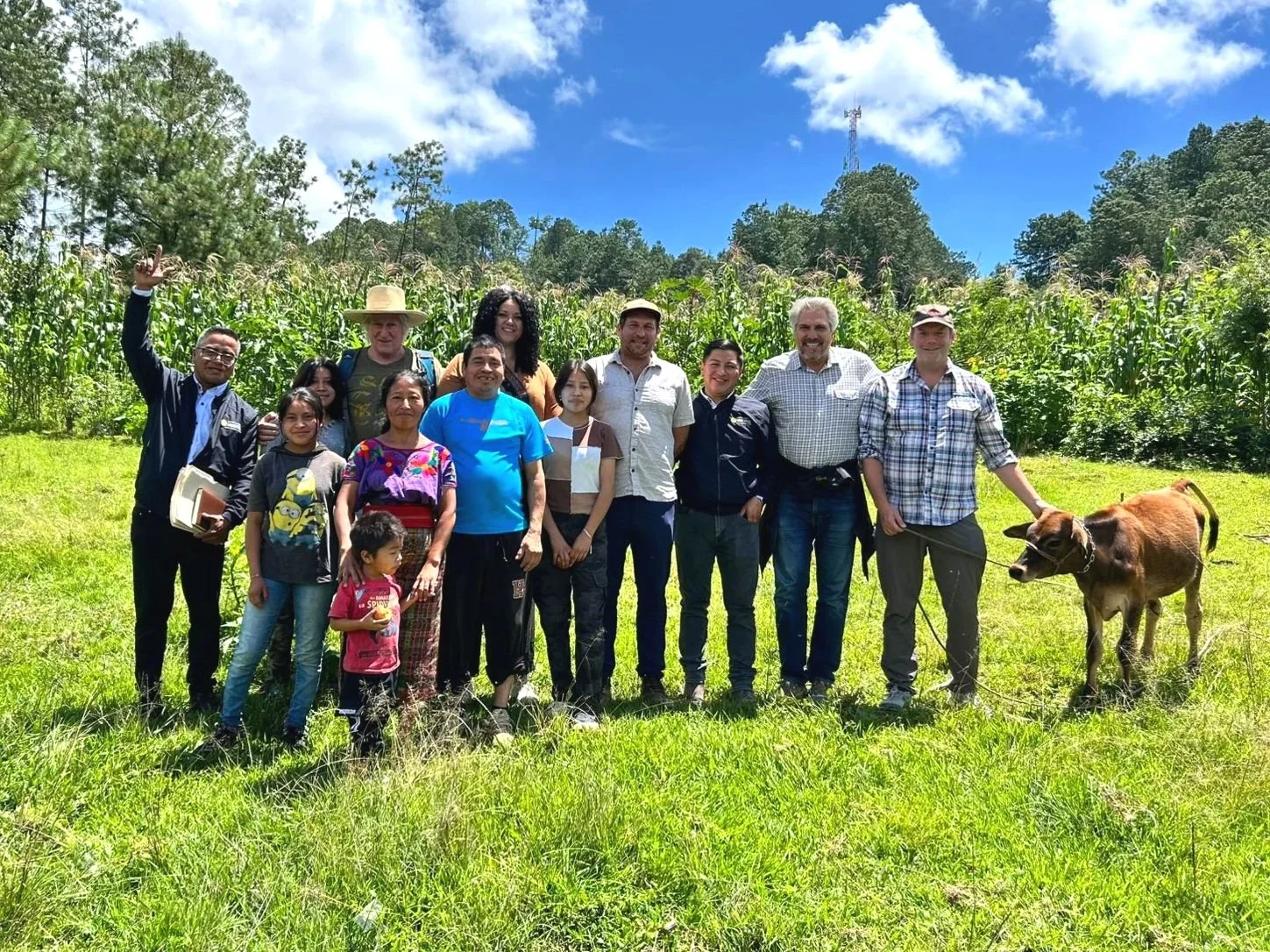
Photo Credit: Naturally Smart Travel
NGOs in Guatemala: Looking Forward
NGOs in Guatemala have made substantial contributions to the country's development and social progress. While they have brought positive changes, concerns about sustainability and local empowerment remain. Voluntourism, when approached responsibly, can play a vital role in supporting NGOs and local communities while protecting Guatemala culture and businesses.
By collaborating with local organizations, engaging in meaningful projects, and promoting sustainable practices, volunteers can make a positive and lasting impact on Guatemala's social and economic landscape.
FAQs:
How Long to Spend in Guatemala?
This depends on how you like to travel!
Two weeks will allow you to experience Guatemala.
If you join a curated group tour, you’ll be able to explore the very best of the country, including Antigua, Lake Atitlán, Tikal, and volcano hikes.
If you’re looking to explore Guatemala deeply and visit remote places like Semuc Champey, you could easily spend a month or more in this beautiful country.
What Is Sustainable Travel?
We’ve got great news! Minimizing your environmental impact when traveling through Guatemala can be easy.
Opt for eco-friendly travel destinations, excursions, and tours that support the local community, businesses, and conservation projects while protecting Guatemala culture.
It's important to research sustainable business travel or voluntourism options before making final decisions. Select eco-friendly travel destinations and accommodations, in addition to being mindful of single-use plastic, water, and energy consumption.
Learn more tips here, or sign up for one of our ecotours!
Can I Be A Digital Nomad in Guatemala?
Yes, Guatemala has many digital nomads!
The majority of digital nomads in Guatemala are based in areas with established expat communities, such as Antigua and Lake Atitlán.
Does Guatemala Have a Good Tourism Industry?
Guatemala has a well-established tourism industry, especially in its main destinations, offering excellent infrastructure for visitors, as an eco-friendly travel destination in Central America
Visitors can enjoy comfortable hotels, organised tours, and reliable tourist shuttles.
The country caters well to different styles of travelers, from adventure seekers and foodies to history buffs and sustainable business travel! There’s a little something for everyone in Guatemala.
Do U.S. Citizens Need a Visa for Guatemala?
A visa is not required in advance for most visitors, including citizens of the United States, Canada, and the European Union. However, it’s essential to check the specific visa requirements for your country before traveling.
Visitors with a valid passport and a departure ticket are generally granted stays of up to 90 days at border control upon arrival, with the possibility of extensions.
Please consult with your local Guatemalan embassy for precise guidelines.