Get Ready for Traveling to Guatemala
Traveling to Guatemala is an exciting experience, but a little preparation goes a long way. From knowing what to pack and how to get around to planning your itinerary and choosing the right experiences, taking care of the details ahead of time means you can spend more time enjoying your trip and less time figuring things out along the way.
Have questions as you plan? Reach out to us, or explore our curated travel guides and services, or check our blog for travel inspiration!
Visas for Guatemala
For many travelers, traveling to Guatemala is relatively straightforward when it comes to entry requirements. Citizens from countries including the United States, Canada, Australia, New Zealand, Japan, Switzerland, and most European Union countries can generally enter Guatemala without a prearranged tourist visa for stays of up to 90 days.
You will need a valid passport to enter the country, and immigration may ask for proof of onward or return travel. Passport-validity requirements can vary depending on your nationality, so it's important to check out the current requirements before your trip.
Travelers who do require a visa should arrange one before arriving in Guatemala. If you plan to stay longer than the 90 days, extensions may be possible through Guatemala's immigration office.
Entry requirements can change, so always confirm the information with the Guatemalan embassy or consulate in your country before traveling.
Vaccination Requirements
Before traveling to Guatemala, check the current vaccination and health recommendations for your specific itinerary. Depending on where you're traveling and what activities you have planned, a healthcare professional may recommend vaccinations such as hepatitis A or typhoid, particularly because food and waterborne illnesses can occur.
Yellow fever vaccination may also be required if you are traveling from a country where yellow fever is present. Requirements can vary based on your travel history, so check the latest entry requirements before your trip.
Guatemala is also a country where mosquito-borne illnesses, including Zika, can occur. If you are pregnant or planning to become pregnant, speak with a healthcare professional before traveling for advice specific to your circumstances.
Health recommendations and entry requirements can change, so review the most up-to-date information before departure. The CDC's Guatemala travel page is a useful starting point for current recommendations.
Medical Needs
Most travelers will have no difficulty accessing basic medical care in Guatemala, particularly in larger cities and tourist areas. However, healthcare facilities and services can vary considerably by location, so it's worth planning ahead if you take regular medication or have specific medical needs.
Bring enough prescription medication to cover your trip, ideally in its original packaging, and keep it in your carry-on luggage. It's also a good idea to carry a copy of your prescription or a list of your medication in case you need medical assistance while traveling.
Pharmacies are widely available in Guatemala, but the availability of specific medication can vary. The CDC’s travel packing checklist offers additional guidance on what to bring and how to prepare for your trip.
If you're traveling with Naturally Smart Travel, reach out to our team before departure if you have questions about medical logistics, medications, or healthcare access during your itinerary.
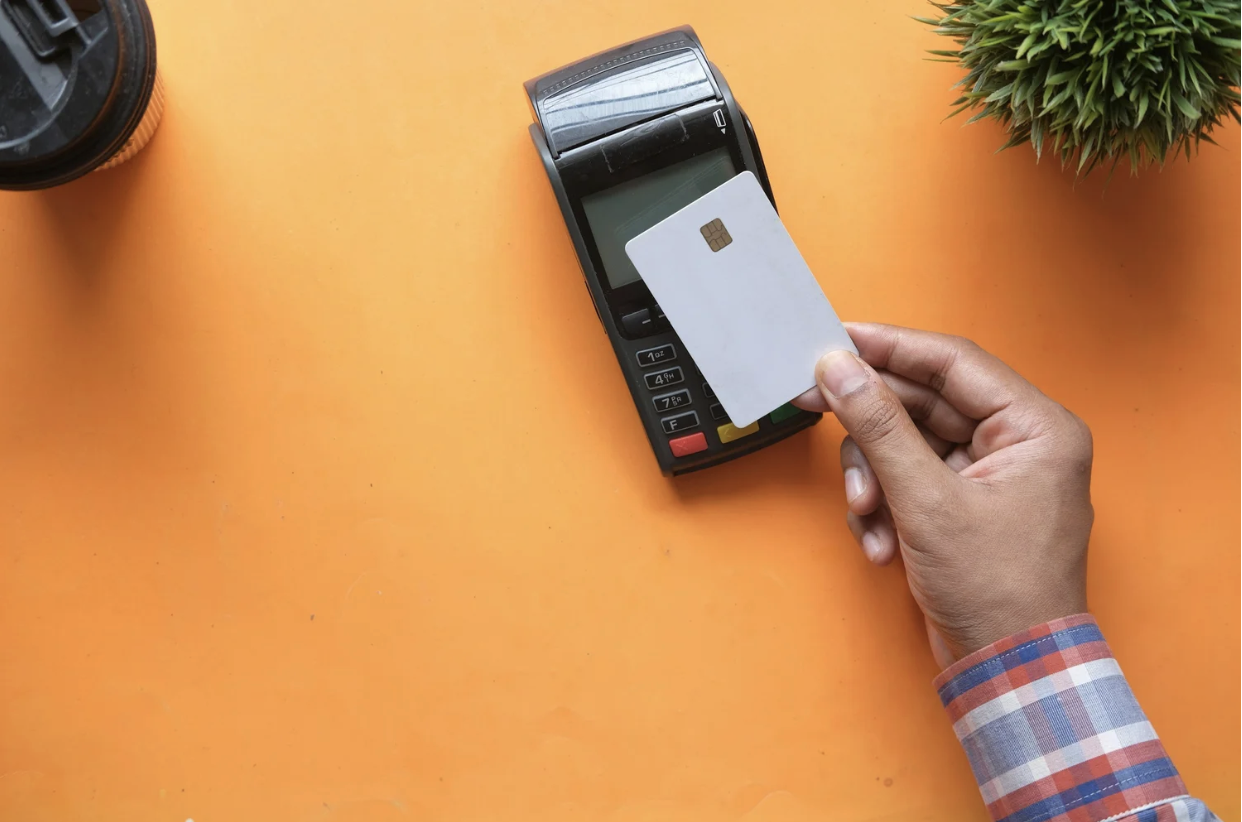
Photo Credit: @towfiqu999999 via Unsplash
Traveling to Guatemala: Currency & Cards
The official currency of Guatemala is the quetzal (Q). Banknotes come in denominations of 1, 5, 10, 20, 50, 100, and 200 quetzals, while coins range from 5 centavos to 1 quetzal.
Exchange rates fluctuate, so check the current rate before traveling to Guatemala rather than relying on a fixed conversion. U.S. dollars are accepted in some hotels, tour companies, and businesses in popular tourist areas, but you'll generally find it easier to pay in quetzales for everyday purchases.
ATMs are available in Guatemala City, Antigua, Lake Atitlán, and other popular destinations, although access becomes more limited in rural areas. Carrying some cash in quetzales is a good idea for local markets, transportation, small restaurants, tips, and businesses that don't accept cards.
Banks and ATMS
Banks are widely available in larger towns and cities, although opening hours vary by institution and location. If you need to visit a bank, check its current hours before making the trip. Armed guards are present at all times to provide additional security, which is standard and no cause for alarm.
ATMs are available in urban and tourist areas, but you shouldn't rely on finding one once you're in a remote village or rural area. Consider withdrawing enough cash before heading into more isolated parts of your itinerary.
ATM fees vary depending on the bank, ATM operator, and card issuer, so check the fees displayed on the screen before completing a withdrawal. Your own bank may also charge an international transaction or ATM fee.
It's a good idea to let your bank know that you'll be traveling internationally and check whether your debit or credit cards have foreign transaction fees. Saving your bank's international contact information before departure can also be helpful if your card is lost, blocked, or flagged for unusual activity.
Credit Cards
Credit cards are increasingly accepted throughout Guatemala, particularly at well-known tourist destinations, hotels, established restaurants, tour operators, and larger shops. Visa and MasterCard generally have the broadest acceptance.
However, don't assume you can pay by card everywhere. Smaller businesses, local markets, street vendors, and businesses in rural areas may accept cash only. Some businesses may also add a service or card-processing fee, so it's worth confirming the total before paying.
For peace of mind, travel with at least two payment methods and keep your cards and cash in separate places.
Money Transfers
If you need to send or receive money while traveling to Guatemala, services such as Xoom and Western Union offer international money-transfer options. Availability, fees, and pickup locations vary, so check the current terms before relying on a particular service.
Traveler's checks are no longer a practical option for most travelers, so a combination of cash, debit cards, and credit cards is generally a more convenient way to manage your money.
Read more like this: Weather Update: What to Pack for Guatemala's Ever-Changing Climate
Photo Credit: @jannerboy62 via Unsplash
Safety in Guatemala
If you're wondering whether traveling to Guatemala is safe, the answer depends in part on where you go, how you travel, and the precautions you take. Guatemala welcomes millions of visitors each year, but, as with any international destination, travelers should stay aware of their surroundings and keep up with current local advice.
Before your trip, check the latest travel advisory from your government and review any guidance provided by your embassy or consulate. Once you're in Guatemala, follow the advice of your tour operator or local guides, particularly when traveling between destinations or exploring unfamiliar areas.
Helpful Tips for Traveling to Guatemala
A few simple precautions can make your trip more comfortable:
Keep your phone, wallet, passport, and other valuables secure and avoid displaying expensive belongings unnecessarily.
Use reputable transportation services, particularly when traveling after dark or between destinations.
Stick to well-traveled areas and avoid walking alone in unfamiliar places at night.
Keep copies of important travel documents separately from the originals.
Carry only the cash and cards you need for the day.
Pay attention to local advice about specific destinations, weather conditions, demonstrations, road conditions, or other temporary concerns.
If you're traveling with Naturally Smart Travel, our team and local guides will provide destination-specific guidance throughout your itinerary. From cultural experiences and educational travel adventures to visits to Mayan ruins Guatemala, we'll help you understand what to expect at each stage of your trip.
Arriving in Guatemala
Most international visitors arrive through La Aurora International Airport (GUA), Guatemala's main international airport. From Guatemala City, travelers can continue to Antigua, Lake Atitlán, or other destinations by private transfer, shuttle, or other transportation options.
If you're planning to visit Antigua after landing, arranging your transportation in advance can make the transition from the airport much easier. Ride-hailing services and private transfers are also available, although it's worth confirming the current pickup procedures before you arrive.
For more information, read our guide to Guatemala City Airport.
Stay Mindful While Traveling
The best approach to safety is simple: stay aware, use common sense, and listen to local advice. Keep an eye on your belongings in busy areas, be cautious when exploring unfamiliar places after dark, and don't hesitate to change your plans if a situation doesn't feel right.
During our Guatemala tours, our guides provide information about safety and local conditions as you travel. They can also help you navigate unfamiliar areas, choose appropriate transportation, and understand local customs.
The goal isn't to spend your trip worrying about safety. It's to be prepared, stay informed, and give yourself the freedom to enjoy Guatemala's landscapes, culture, food, and top tourist attractions with confidence
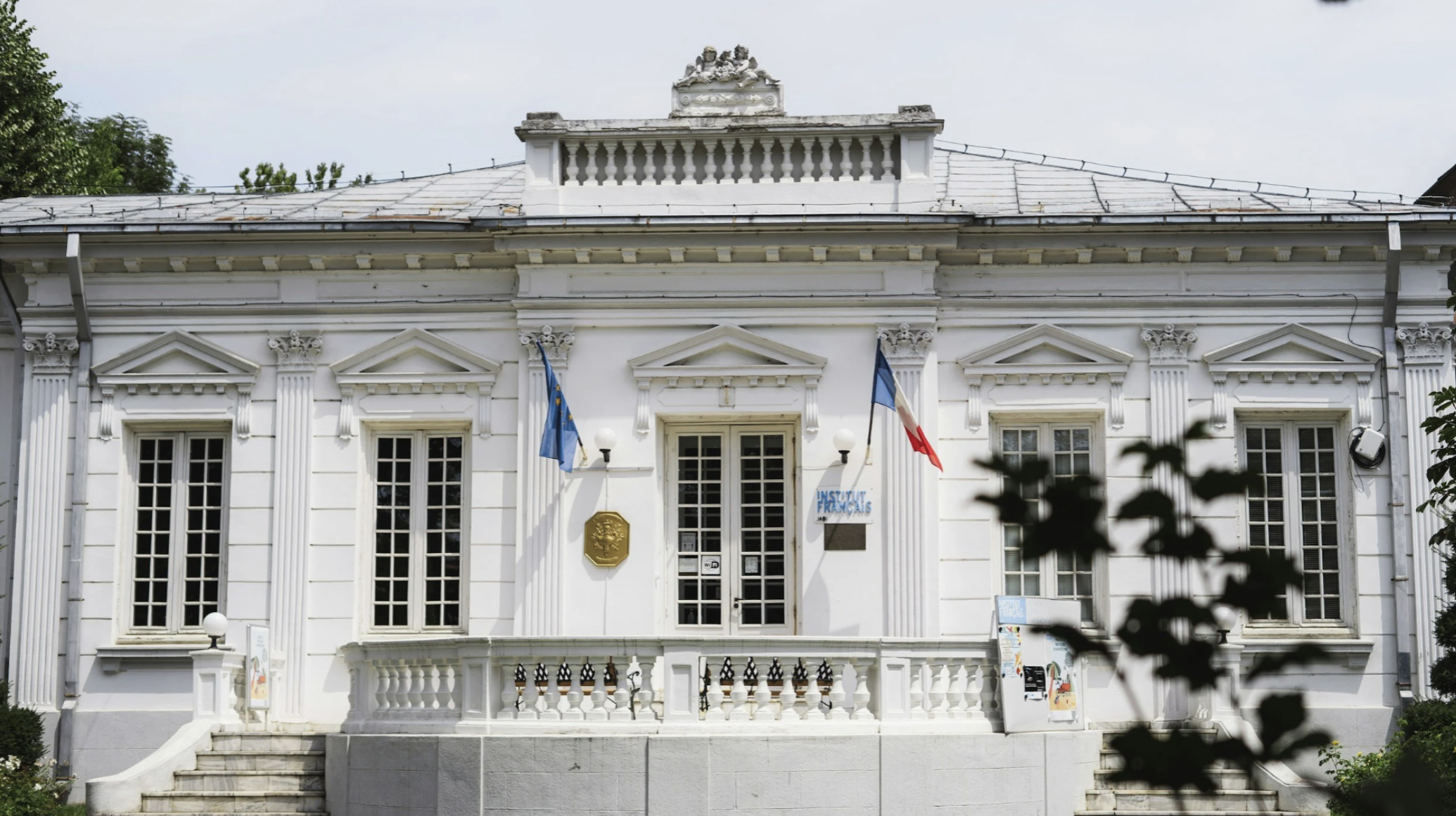
Photo Credit: @traiantitilincu via Unsplash
Embassy Links
Travel requirements and entry rules can change, so it's worth checking your country's embassy or consulate in Guatemala before traveling to Guatemala. This is especially important if you're unsure about visa requirements, passport validity, or other entry conditions specific to your nationality.
Use the links below to find your embassy and check the latest travel information before departure. We also recommend confirming current entry requirements with Guatemala's official immigration authorities before your trip.
Embassy of Canada
Embassy of Egypt
Russian Embassy
FAQs
What Time Zone Is Guatemala in?
Guatemala follows Central Standard Time (CST) year-roundand does not observe Daylight Saving Time. This means the country remains on the same time throughout the year.
Is There WiFi in Guatemala?
Yes. Wi-Fi is widely available in hotels, restaurants, cafés, and other businesses in Guatemala's cities and popular tourist destinations. Connections may be slower or less reliable in remote or rural areas, so don't rely entirely on having internet access when traveling to more isolated destinations, including some sites near the Mayan ruins Guatemala.
Are the Power Outlets Compatible with American Plugs, or Do You Need Adaptors?
Yes. Guatemala uses 110–120-volt electricity at 60 Hz, and the country generally uses the same Type A and Type B outlets found in the United States and Canada. Travelers from the U.S. and Canada typically won't need a plug adapter.
If you're traveling from a country with a different plug type, bring a suitable travel adapter. Check your devices' voltage requirements as well, particularly if you're bringing appliances such as hair dryers or styling tools.
Do I Need Any Vaccinations to Go to Guatemala?
Vaccination recommendations for traveling to Guatemala depend on your health, travel history, itinerary, and the areas you plan to visit. Travelers should be up to date on routine vaccinations, while vaccines such as hepatitis A and typhoid may be recommended for some visitors.
Yellow fever vaccination may be required if you're arriving from a country where yellow fever is present. Mosquito-borne illnesses, including dengue and Zika, also occur in Guatemala, so taking steps to prevent mosquito bites is important.
Before your trip, speak with a healthcare professional or travel-health clinic about recommendations for your specific itinerary. You can also check the latest guidance from the CDC.
It's also a good idea to take precautions with food and water. Bottled, purified, or properly treated water is generally the safer choice for travelers, particularly outside established hotels and restaurants..
What’s the Cost of Living in Guatemala?
For travelers, Guatemala can be relatively affordable compared with many destinations in North America and Europe, although costs vary considerably depending on where you go and how you travel.
Accommodation, food, transportation, and activities tend to be more affordable outside Guatemala's higher-end hotels and restaurants, while popular destinations such as Antigua and Lake Atitlán offer options across a range of budgets.
Rather than relying on a general cost-of-living figure, check current prices for accommodation, transportation, tours, and meals when planning your trip. For a broader comparison, you can also refer to this cost of living guide for Guatemala